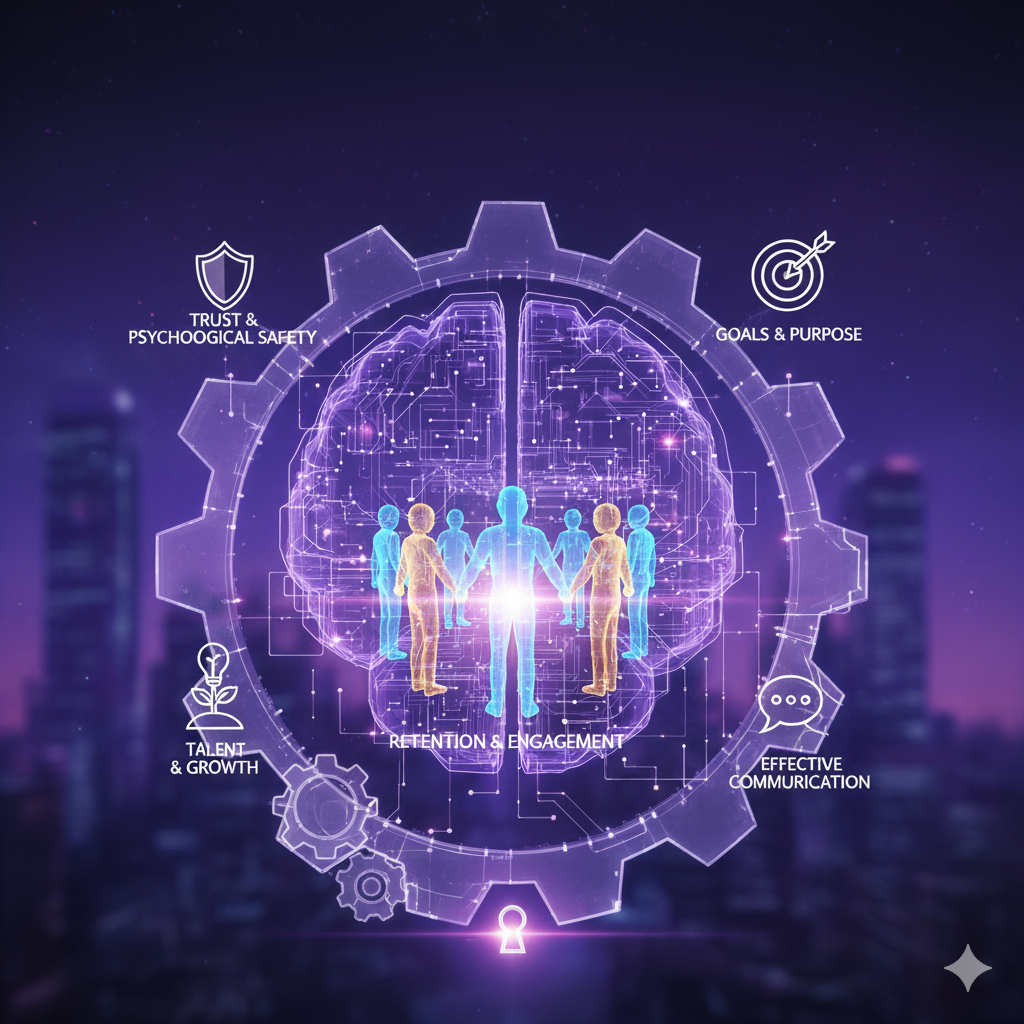
Recruitment today has grown far beyond just posting job openings and filtering resumes. The most successful companies realize that hiring is emotional, psychological, and personal. People pick those places to work at where they feel they belong, where their work matters, and where they can grow. That’s why storytelling has become one of the most effective tools in modern recruitment.
Storytelling helps people understand who you are, what you stand for, and why someone should want to be part of your journey. Storytelling bridges the gap between a role and a purpose, between a workplace and a community, between an employer and a shared identity.
In this competitive market of talent, and when it comes to high-skill talent, design, development, data, digital, and tech jobs, candidates are evaluating you as much as you are evaluating them.
This is not recruitment information.
Recruitment is about connections.
1. Why Storytelling in Recruitment Matters More Than Ever
Today’s workforce, be they early-career professionals or established experts, are driven by more than just salary or job title. They are motivated by:
Purpose
Value alignment
Long-term growth
Sense of belonging
Meaningful Contribution
Research supports this shift.
A Deloitte survey finds that 73% of professionals seek companies whose values match their own, while employees connected to a company’s purpose are 3x more likely to stay longer.
This means:
“The story your company tells directly affects who applies, who accepts offers, and who stays.”
A vague, generic, or incoherent story will still attract applicants, but not necessarily the right applicants.
The right candidates lean in when the story is real, confident, and engaging.
2. Foundation of Strong Employer Storytelling
Storytelling in recruitment is not about catchphrases or branding; it’s about clarity and truth.
Your messaging needs to reflect three defining elements of your identity:
a. Purpose, The Meaning Behind the Work
Every company has a purpose other than just generating revenue. Maybe you’re solving a problem, supporting a mission, or just creating something that makes people’s lives better.
Examples:
Instead: “We build enterprise software.”
Use: “We empower organizations to operate smarter and work more humanely.”
Instead: “We’re a digital agency.”
Use: “We help companies tell better stories, connect meaningfully, and grow with authenticity.”
Purpose draws people who care, not just people who work.
b. Values, How Your Team Behaves and Makes Decisions
Values are not posters on the wall or a website page.
They’re the daily lived behaviors of your workplace.
Examples of meaningful values:
We practice open and respectful communication.
We own the outcome, not just the task.
We learn from our mistakes, we don’t grow just by avoiding them.
When these values are well-communicated, a candidate can determine if they will thrive in your setting.
c. People, Your Culture in Motion
People are the clearest reflection of your culture.
Your story should show:
Team collaboration
Career growth journeys
Leadership philosophy
Real life experiences
Candidates do not resonate with corporate language.
They connect with people who feel relatable, valued, and respected.
3. Where Does Storytelling Fit in the Hiring Process?
Storytelling should be in every touchpoint, not just on your careers page.
Stage
How Storytelling Works
Job Posts
Highlight the why of the work, not just the tasks.
Company Website
Showcase the culture, values, and growth stories clearly.
Social Media
Share behind-the-scenes work and team achievements.
Interviews
Leaders speak authentically about mission and direction.
Offer Stage
Reinforce belonging and future growth opportunities.
Onboarding
welcome the new team members to the story, not just the workflow.
Consistent storytelling builds trust, which is the greatest hiring advantage.
4. Writing Job Descriptions That Communicate Identity
Most job descriptions are transactional:
“Responsibilities…”
“Requirements…
“Nice-to-haves.”
But all of these tell us what the person does, not who they will become and why that role truly matters.
A strong job description should:
Describe the mission of this position.
Demonstrate how the role contributes to team and company progress
Reflect culture and working style
Set clear expectations in a respectful manner.
Attract people by alignment, not only by skill.
Example shift:
”Must be comfortable working under pressure.”
”We work fast, but sustainable – we solve the challenges together, not alone.”
Language is culture.
Culture is identity.
It is the identity that attracts the right people.
5. Storytelling in Interviews: Alignment Over Persuasion
Interviews are not sales pitches but identity alignment conversations.
Leaders should discuss:
Why the company exists
What the team is proud of
What problems have been overcome
How decisions are made
Where growth is happening next
It’s when candidates feel that they understand the journey that they can then make a choice on whether it is something they want to join.
This reduces:
Misunderstandings
Cultural shocks
Early retirements
Expensive mis-hires
Strong storytelling safeguards team culture and positively impacts retention.
6. Storytelling Strengthens Employer Brand
Your employer brand isn’t what you say your culture is; it is what the employees experience and talk about.
Storytelling strengthens employer brand by:
Humanizing your message
Creating an emotional connection
Breaking the “corporate sameness” problem
Making one’s culture more comprehensible and accessible to others
In competitive hiring markets, employer brand may be the difference between:
Filling a role in 12 days
or
Months of struggling to hire.
7. How Hiring Ways Helps Companies Build and Communicate Their Story
At Hiring Ways, we develop clear, compelling, and authentic employer narratives for organizations by:
Cultural discovery workshops
Employer brand voice development
Story-driven job description frameworks
Leadership communication coaching
Designing candidate experience
Talent-aligned recruitment strategy
Our approach ensures you don’t just hire people who can do the job.
You hire people who believe in the work.
When employees can relate to your story:
Engagement rises.
Performance improves.
Teams work better.
Turnover decreases.
Culture strengthens.
Recruitment becomes not a chase-but a pull.
Conclusion
Skills get candidates through the door in recruitment, but it’s identity that keeps them there. Storytelling is how companies convey their purpose, values, and culture in a human, compelling, and memorable way.
When your story is clear:
The right talent feels identified with it.
The wrong talent filters out naturally.
Hiring becomes far more strategic, efficient, and successful.
The strongest teams are built not just through strategy but through shared meaning. Storytelling is how you make that meaning visible.